
Antimicrobial resistance
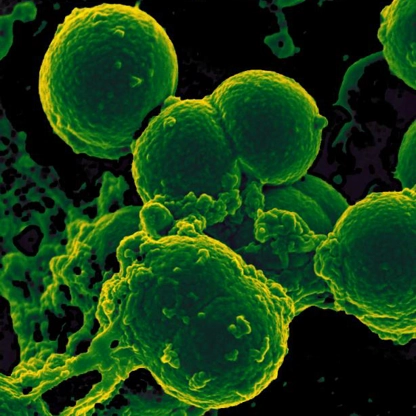
Antibiotics, antivirals and other antimicrobials are one of the greatest achievements in modern medicine and have saved millions of lives worldwide. But these drugs are losing their effectiveness because of antimicrobial resistance.
AMR occurs when germs develop the ability to defeat the drugs designed to kill them. This makes infections harder to treat, resulting in longer hospital stays and, in some cases, death. For these reasons, AMR has been deemed one of the top global public health threats.
Antimicrobials play a key role in treating individuals with a broad range of diseases and health conditions, including people who experience infections after surgery, such as hip and knee replacements or C-sections, and people who develop infections after cancer treatments or organ transplants, among others.
The latest on AMR
Loading...

For the public
Many patients and their families have suffered the debilitating effects of antimicrobial-resistant infections. Their personal accounts highlight the devastating toll of these infections and the urgent need to address this crisis. Learn more about their experiences and the basics of antimicrobial resistance at the links below.

IDSA resources for clinicians
-
IDSA 2024 Guidance on the Treatment of Antimicrobial-Resistant Gram-Negative Infections link
This guidance focuses on infections caused by extended-spectrum β-lactamase-producing Enterobacterales, AmpC β-lactamase-producing Enterobacterales, carbapenem-resistant Enterobacterales, Pseudomonas aeruginosa with difficult-to-treat resistance, carbapenem-resistant Acinetobacter baumannii and Stenotrophomonas maltophilia.
-
Compendium of Strategies to Prevent HAIs Update link
Developed by partners including SHEA, IDSA, APIC, AHA, the Joint Commission and others, the compendium provides concise recommendations on core infection prevention practices to prevent six health care-associated infections that have major impacts on quality and safety of patient care.
-
IDSA Academy Antimicrobial Stewardship Curricula link
Elevate your stewardship skills with the IDSA Academy’s tailored course options for fellows and faculty. Start learning with the CORE AS Curriculum, then level up to prepare to lead AS programs with the Advanced Curriculum course. You can also explore the self-paced, accredited Self-Study Curriculum.
-
Updates on the Treatment of Drug-Susceptible and Drug-Resistant Tuberculosis: An Official ATS/CDC/ERS/IDSA Clinical Practice Guideline link
This update provides clinical practice guidelines for TB treatment in children and adults where mycobacterial cultures, molecular and phenotypic drug susceptibility tests, and radiographic studies, among other diagnostic tools, are available on a routine basis.

Supporting stewardship
IDSA supports clinicians and antimicrobial stewardship programs through education, clinical practice guidelines and by sharing resources and examples of best practices and initiatives. Our Centers of Excellence Program promotes excellence in antimicrobial use and combating drug resistance by recognizing hospitals with stewardship programs led by ID-trained physicians and pharmacists that exceed the CDC Core Elements and demonstrate high quality and improvement.