
Please describe your work in advancing health equity in infectious diseases. What are you most proud of and what has been its impact on reducing health disparities?
I have dedicated my career to advancing health equity in infectious diseases through clinical leadership and community education.
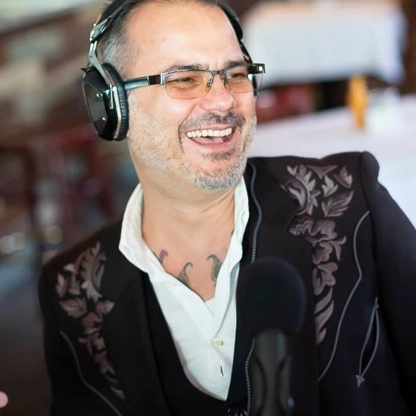
As the founder and director of 102.3 FM WHIV-LP, a New Orleans radio station committed to human rights and social justice, I work to address disparities through social, environmental, economic and racial justice initiatives. My global efforts include serving with the World Health Organization in Sierra Leone during the Ebola outbreak and training Ukrainian health care workers in trauma care amid conflict. I take pride in my efforts to democratize public health information and empower communities, ultimately improving access to care and reducing disparities in infectious diseases worldwide.
What inspired you to focus on health equity? How has it shaped your career?
My commitment to health equity was ignited by witnessing stark disparities during my early travels and medical training, particularly in underserved communities where infectious diseases exploit systemic inequities, compelling me to pursue medicine as a tool for advocacy and direct intervention. This drive crystallized through my hands-on work following the 2010 Haiti earthquake, where I helped build out the American hospital from a field tent to a fully functioning field hospital, delivering infectious disease expertise, training local providers and bolstering outbreak response in resource-scarce settings to ensure equitable access to care for vulnerable populations. It further shaped my path during New Orleans’ COVID-19 outbreak, when I assisted the city in surge planning, vaccination equity campaigns and community outreach via WHIV-LP radio — where my daily COVID updates reached an estimated 80,000 people through syndication — bridging gaps for low-income and minority neighborhoods hit hardest by the pandemic.
What advice would you give to others looking to drive meaningful change in health equity?
Embrace cultural humility to dismantle social determinants of health — from socioeconomic traps and environmental hazards to racial injustices, alongside assaults on LGBT rights, immigrant access and women’s reproductive freedoms. Weave equity into your organization’s DNA through training and audits to eliminate disparities in care outcomes.