
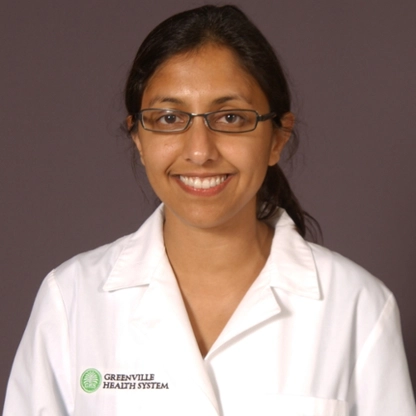
Please describe your work in advancing health equity in infectious diseases. What are you most proud of and what has been its impact on reducing health disparities?
I strive to overcome barriers created by structural inequalities to ensure lifesaving treatment is available to all. I am most proud of the journey of implementing HIV and HCV screening in the emergency departments across our large health care system and then putting in multiple programs with collaboration across departments to ensure all people diagnosed are able to receive care. Our HCV Ab positivity rate was 4%, much higher than the national average, and South Carolina did not have the infrastructure to treat everyone. Our gastroenterology department did not even treat people with substance use disorder or alcohol use, so I trained myself in HCV treatment and took courses offered by IDSA. I then trained NPs and physicians across the system in family medicine and addiction medicine and our mobile health units. Even with increased access to appointments, people were not able to make it to the appointments due to costs, competing priorities, lack of transportation and mistrust of the health care system. To overcome this barrier, we obtained grant funding and collaborated with community paramedics to bring treatment to each patient with lab work and medication delivery to the home (or mutual meeting spot) and a telemedicine visit with an HCV treatment provider. We have also engaged with OB colleagues to expedite treatment for those diagnosed during pregnancy to ensure they receive treatment while they are still engaged with the health system during their peripartum period. This process of creating systems to provide care and HCV cure to those who likely otherwise would not have received it is what I am most proud of. I hope to make these systems self-sustaining in the future.
What inspired you to focus on health equity? How has it shaped your career?
Having lived in India and the rural Southeast while growing up, I observed firsthand just how impactful modern medicine is on a person’s quality and quantity of life. I want to ensure everyone has access to these life-changing interventions. Creating programs to improve access to care and improve trust with the health care system has been the most rewarding part of my career.
What advice would you give to others looking to drive meaningful change in health equity?
Give yourself enough bandwidth to accomplish your goal. If I had not cut down my clinical FTE, even though that meant a pay cut, I would not have had the time or energy to create interdepartment collaborations or see the patients when they needed to be seen.