
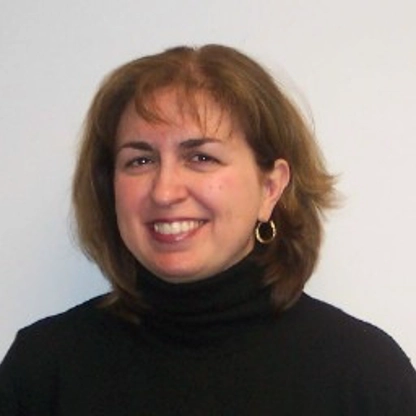
Catherine F. Decker, MD, FIDSA, FACP, is a professor of medicine at the Uniformed Services University and an academic clinician educator embedded in the infectious diseases clinic at the Walter Reed National Military Medical Center, in Bethesda, Maryland. Her interest is in teaching at all levels from medical students to ID fellows, both in the hospital (inpatient consult service, outpatient clinics) and classroom (ID curriculum lectures). In the pre-clerkship setting, she serves as longitudinal clinical faculty for several assigned medical students, and she organizes the HIV curriculum for second-year medical students including lectures related to HIV clinical care and patient panel discussion. In efforts to promote interest in ID, she coordinates through the GME department, the student clinical observer opportunities program that provides ID clinical experiences for post-baccalaureate NIH trainees, and with medical and college students and local high school students. She also works with national professional subspecialty working groups (the Office of AIDS Research Advisory Council) to develop clinical practice guidelines for the prevention and treatment of opportunistic infections in adults and adolescents with HIV.
How did you get interested in medical education?
My interest in medical education dates back to my residency and fellowship training and was shaped by my mentors who exemplified academic excellence and the art of clinical reasoning. They challenged me to think critically at the bedside and fostered a rigorous analytical curiosity that influenced my early career in internal medicine and infectious diseases. Their dedication to medical education and academic excellence sparked my own desire to teach and transformed my career with a primary goal to have a similar influence on medical students and other trainees.
How have you integrated medical education into your career?
Having experienced firsthand such dedicated faculty during my own training, I was determined to make education the central thread of my career. I always had an enthusiasm to teach, so it was second nature for me. I was fortunate enough to transition into an academic teaching position at a university program upon finishing my fellowship, and with it came the expectation of a commitment to medical education and teaching. Medical education is not separate from clinical service, and I treat medical education as vital to elevate clinical standards.
How did you transform your interest in medical education into a career?
Participating in faculty development courses with emphasis on MedEd skills has proven to be a valuable resource in my career. My role as a clinician educator affords me opportunities to be involved in piloting new teaching initiatives.
My expertise in ID, particularly in the management and treatment of HIV/AIDS, allows for the development of specific curriculum and teaching (medical students, residents and fellows). In addition, to bridge the gap between basic sciences and clinical practice, I designed and implemented an introduction to clinical reasoning curriculum for pre-clerkship medical students.
What is one medical innovation that makes you the most proud?
My proudest educational innovation is the development of an ID curriculum for the trainees (medical students and residents) who rotate through our ID division. It has been recognized by our IM residency as a model of systematic curriculum for other subspecialty rotations. It is a collection of 25 ID clinical cases developed based on ITE questions and a variety of ID topics provided to our trainees to review and build answers through use of provided key articles. This curriculum utilizes a flipped classroom framework supported by targeted literature and allows for residents/medical students to prep prior to a 30-minute case discussion session led by fellows and faculty each morning in this structured curriculum.
How have you transformed your medical education work into scholarship?
I make a concerted effort to engage our trainees (medical students, residents and fellows) in scholarly activities. I encourage them to seek out interesting cases whether in the inpatient or outpatient setting and to take the initiative to prepare a manuscript or abstract for submission to journals or to a local or national meeting such as ACP or IDSA. I mentor them in preparation and editing along with navigating the journal or meeting guidelines for submission. For our infectious diseases fellows, I intentionally integrate them into invited review articles and scholarly commentaries to strengthen their academic portfolios and prepare them for future faculty roles. By also translating departmental quality improvement and patient-safety projects into structured clinical studies, I try to educate our learners that daily clinical inquiry could lead to published academic scholarship.
What are some of the most rewarding aspects of your career as an educator thus far?
Without question, the most rewarding experience in my career as an educator has been witnessing the growth of my students, residents and fellows. Whether it is an academic presentation, or them receiving an award or recognition for a job well done, all these accomplishments give me immense joy and pride! Even more meaningful has been the privilege of continuity over the years. I have been fortunate enough to have served on the faculty and clinical staff at USU and WRNMMC for many years, and I have experienced the profound full-circle honor of watching former medical students and residents mature into fellowship trainees, chief residents and ultimately esteemed faculty colleagues practicing alongside me. Knowing that I have played a foundational role in shaping generations of military physicians, leaders who now care for warfighters, veterans, and their families across the globe, instills in me a sense of purpose and humble pride.