
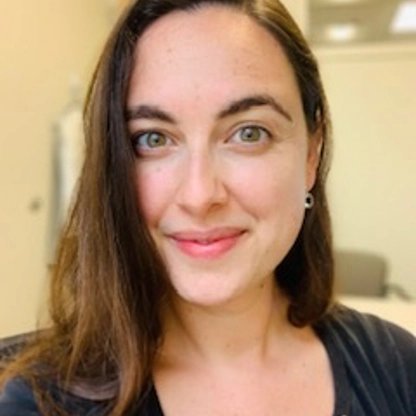
Molly Paras is an Infectious Diseases physician at Massachusetts General Hospital and Assistant Professor of Medicine (Medical Education Track) at Harvard Medical School as well as the Program Director for the combined Massachusetts General Hospital & Brigham and Women’s Hospital ID Fellowship. In addition, she has had several medical education roles through the Infectious Diseases Society of America including as a member of the National Program Director Committee, the Antimicrobial Stewardship Curriculum Committee, and the steering committee for the Joint ID Fellowship/Epidemic Intelligence Service Program. She is also a clinician educator in the inpatient and outpatient ID practice as well as the inpatient general medicine service teaching medical students, residents, and fellows. Her medical education interests include multidisciplinary communication, fostering trainee interest in ID as a career, curriculum development as well as faculty development. More broadly within ID, her interests include cardiovascular infections, the intersection of ID and substance use disorder, infection prevention and control, and antimicrobial stewardship.
How did you get interested in medical education?
My interest in medical education was inspired by the skilled educators I learned from during my own training at the Mayo Medical School and subsequently at MGH as a resident. I was fortunate to work closely with clinician educators who were expert doctors, but also took their roles as medical educators very seriously - imparting their knowledge through patient care experiences and academic projects. Going on primary care home visits with a longitudinal clinic preceptor taught me skills that no lecture could begin to emulate, and through these types of experiences, I recognized the value of the clinician-educator. I was selected to be a chief resident at MGH where I had both didactic and clinical teaching responsibilities, and it was through this experience that my desire to keep medical education at the forefront of my career was solidified.
How have you integrated medical education into your career?
In my role as the fellowship program director, I manage the broad education of our ID fellows, from curriculum design to clinical experiences and career planning, and I am a mentor for a diverse and wonderful group of fellows. In my clinical practice, I continuously seek opportunities to teach. I attend the teaching service for both infectious diseases and well as the general medicine wards, which allows me ample time to interface with medical students, residents, and fellows. In my academic work, I always strive to include trainees in projects, and meet them where they are – whether they have the time for something large or small, all touch points allow me the opportunity to connect with and mentor the trainee. Finally, I serve as a reviewer for the New England Journal of Medicine Images in Clinical Medicine section and my goal through this work is to ensure that education is front and center with each submission I review.
How did you transform your interest in medical education into a career?
Medical education career paths are unique in many ways as there is no one set path to follow. I found it extremely valuable early on in my career to routinely volunteer for teaching opportunities through medical school, residency, or fellowship to establish myself as a teacher who could be relied upon to give a lecture, lead physical exam rounds, or contribute to committee work focused on medical education. Through the networking that comes with these opportunities, more doors were opened and opportunities presented themselves to expand my teaching experiences and leadership roles in medical education.
How have you transformed your medical education work into scholarship?
I consider any scholarly work an opportunity to serve as a medical education project if a trainee is included. When I am on clinical service with trainees, I always encourage them to consider writing up a patient case or submitting an image to a journal or conference, which has led to several international presentations for trainees. If a trainee has the time and interest for a larger project, I will work with them in developing a research project, either in the “med Ed” space or infectious diseases arena, coaching them through the steps to turn the project into a presentation or publication.
What are some of the most rewarding aspects of your career as an educator thus far?
Mentorship is a key theme to my medical educational interests, and I feel immense pride when a trainee with whom I have worked is able to succeed in their goals. One of the most celebrated nights of the year is fellowship graduation, where I get to stand at the lectern and read the names of our newly minted ID physicians along with the list of their many accomplishments and their next steps for their career. I am grateful to have had the opportunity to work with each and every trainee along their training path as I learn from them just as much as I am able to teach.