
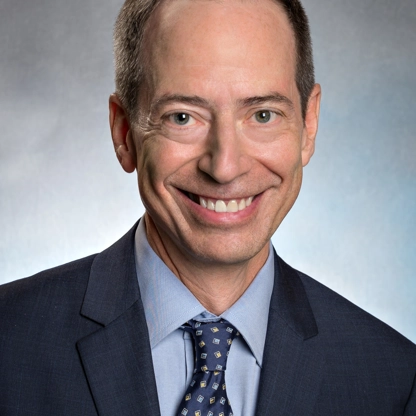
Dr. Paul Sax has been privileged to teach infectious diseases in just about every format -- on the wards, in the clinic, in lectures large and small, and through writing. His goal is always the same: make complicated ID topics clear, practical, and, if possible, entertaining. Whether it’s teaching a fellow about vertebral osteomyelitis or writing a blog post about absurdly definitive antibiotic duration (5 or 7 days or multiples), he tries to create that “lightbulb moment” for learners.
How did you get interested in medical education?
I grew up in a household where stories mattered -- my father was a psychiatrist, my mother a journalist, I studied English and wrote for the Harvard Lampoon, and even taught literature in England for a year. That love of storytelling made medical education a natural fit, since teaching is really just storytelling with a clinical twist. Also, nothing cements your own learning like the inquiring resident who asks, “Wait, why do we use ceftriaxone and ampicillin for enterococcal endocarditis again?”
How have you integrated medical education into your career?
It never felt like something to “integrate". Teaching has always been inseparable from the rest of my work. Clinical care, writing, lecturing, mentoring, research, they all blur together. I met my wife Carolyn on the first day of medical school; she's a primary care pediatrician and regularly asks me very practical ID questions (I pass on the ones about newborns). She still reviews my drafts, which shows just how braided education has been into every part of my life and career. Oh, and both my kids learned about Pasturella multocida, toxoplasmosis, and bartonellosis since we had a cat when they were growing up.
How did you transform your interest in medical education into a career?
The short answer: I kept saying “yes.” Yes to giving the lecture, to leading the fellowship, to writing the column, to editing the journal. (The exception: I always decline speaking invitations on topics I either don't know much about or find uninteresting -- try to steer them to a different topic!) Over time, that interest snowballed into a career’s worth of opportunities, though I’m still waiting for the day when someone says, “Would you like to teach medical students … in Hawaii, at a 5-star hotel with a tennis program?”
What is one medical innovation that makes you the most proud?
The transformation of HIV from a lethal infection that was once a leading cause of death in young adults to a manageable problem controlled by one-pill-a-day therapy is one of medicine’s greatest success stories. Being even a small part of it has been an enormous privilege. In education, I’m proud that my regular blog/column -- a format once dismissed as frivolous -- has reached millions of readers across six continents (including one person in Korea who asked about my dog Louie). However, I do have one former mentor who told me flat-out, "I don't read blogs." Oh well.
How have you transformed your medical education work into scholarship?
My instinct to “make the complicated simple” found its outlet in writing and editing. My favorite writers are those that make you forget you are reading -- it's like hearing an interesting person explain something. Over the years, that’s meant publishing on clinical topics, editing journals, and writing hundreds of essays and blog posts that extend the classroom far beyond the lecture hall. If one definition of scholarship is sharing knowledge with others, then I’ve just been doing it in as many ways as possible.
What are some of the most rewarding aspects of your career as an educator thus far?
I love the hallway encounters or emails from a former trainee that says, “I remember when you taught me about HIV drug resistance, and it still helps me today”, or the person who reads my latest post and says, "I've been waiting for someone to take on the confusion of the isolated hepatitis B core antibody." Those are priceless. But absolutely the best is seeing my former students and fellows become leaders, educators, and role models themselves.