

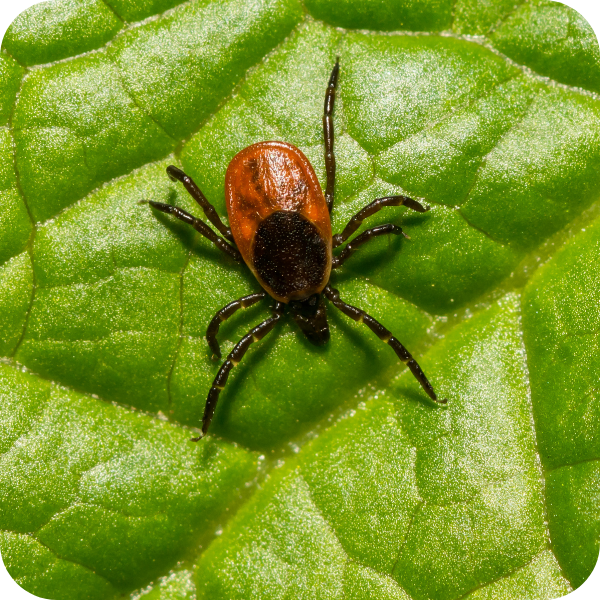
 Reported U.S. Lyme disease cases reached more than 89,000 in 2023, with broader estimates suggesting roughly 476,000 people are diagnosed and treated each year, underscoring substantial clinical burden. (1) The geography of Lyme continues to expand, with 2023 county-level maps showing spread beyond traditional hot spots in the Northeast and Upper Midwest. (2)
Ecologic drivers may be contributing, including warming temperatures and longer shoulder seasons, which facilitate tick survival and human exposure, supporting expectations of further range expansion. (3) Surveillance artifacts also matter. A 2022 reporting change in high-incidence jurisdictions increased laboratory-based case ascertainment, contributing to higher counts and complicating trend interpretation in these states. (4)
What’s changed since the first FDA-approved vaccine for Lyme disease, LYMErix, and where candidates stand
The late-1990s experience with LYMErix (recombinant OspA), licensed by the Food and Drug Administration in 1998 and voluntarily withdrawn by the manufacturer in 2002 due to declining sales, still colors public perception and clinician conversations. (5) Subsequent analyses found no convincing evidence that OspA vaccination caused clinically meaningful autoimmune arthropathy, which is relevant as new OspA-based approaches advance. (6)
Today’s lead candidate is VLA15 (Pfizer/Valneva), a multivalent protein-subunit vaccine targeting OspA serotypes prevalent in North America and Europe that does not include the single OspA epitope used in LYMErix vaccine. (7) VLA15 is in an ongoing Phase 3 efficacy trial (VALOR, NCT05477524) as a three-dose primary series. Participants are receiving a booster approximately one year later, and case ascertainment continues through the 2025 season, with Phase 3 outcomes anticipated in the first half of 2026. (7, 8)
Company updates anticipate completion of the primary series across more than 9,000 participants, with supportive Phase 2 immunogenicity data previously published. (9) Interim and schedule-optimization data reported in 2025 suggest robust immunogenicity across dosing regimens, a key consideration for seasonal timing and adherence. (10)
Clinicians should watch for:
- Efficacy across age groups, including the pediatric population
- Durability and booster needs over multiple seasons
- Co-administration data (e.g., with influenza/COVID-19 vaccines)
- Safety in people with prior Lyme history and in persons with autoimmune conditions. (7-10)
A complementary strategy called Lyme PrEP uses a human monoclonal antibody to deliver immediate, seasonal protection by neutralizing Borrelia in the tick midgut before transmission, potentially as a single injection. (11,12)
First-in-human studies began in 2021 and continued through 2022, with the central clinical questions being the duration of protection, breadth against circulating strains, and deployment logistics for travelers or high-risk residents. (13,14) In 2025, the program advanced further when UMass Chan licensed a long-acting anti-OspA monoclonal antibody (TNX-4800) to Tonix Pharmaceuticals, highlighting continued innovation in seasonal Lyme prophylaxis. (15) Moderna’s Lyme disease vaccine candidates (mRNA-1975 and mRNA-1982) are currently in Phase 1/2 clinical testing to assess safety and immunogenicity. (16)
Treatment and prophylaxis snapshot (Lyme, TBE, babesiosis, Powassan)
For Lyme disease, early localized infection is effectively treated with oral antibiotics, most commonly doxycycline, amoxicillin or cefuroxime axetil, with regimen nuances according to manifestation and potential antibiotic-related adverse reactions or intolerances. (16-18) Post-exposure prophylaxis after a high-risk Ixodes scapularis (black-legged tick, also known as a deer tick, engorged usually for more than 24 hours to allow transmission of Borrelia burgdorferi) bite is a single 200-mg dose of doxycycline for adults (children: 4.4 mg/kg up to 200 mg) within 72 hours of tick removal when criteria are met, though confirmation of this specific tick bite is often not performed. (19, 20)
Tick-borne encephalitis does not occur in North America but can be a risk for residents of, or travelers to, Western/Central Europe following Ixodes spp. tick bites. There is no antiviral therapy, and management is supportive, so prevention relies on vaccination for travelers or residents with substantial tick exposure and for at-risk lab workers, following age-appropriate three-dose schedules and boosters, including an FDA-approved formulation available for at-risk travelers. (21-23)
For babesiosis, which occurs in a similar but more geographically-restricted range than Lyme disease, there is no licensed human vaccine, and the current IDSA guideline recommends atovaquone plus azithromycin as preferred therapy or clindamycin plus quinine as an alternative, with exchange transfusion for select severe cases and longer courses in immunocompromised hosts. (24-26) Tarsus Pharmaceuticals is developing TP-05, an oral systemic lotilaner-based anti-tick medication designed to kill attached ticks rapidly and potentially prevent transmission of Lyme disease and babesiosis. (28)
Rickettsial infections, including several tick-borne species such as Rickettsia rickettsii (Rocky Mountain spotted fever), can cause acute febrile illness with rash, headache and potentially severe complications if untreated. Prevention relies on tick avoidance measures, and doxycycline is the treatment of choice for suspected rickettsioses; no vaccines are currently available for these diseases. (29)
Powassan virus, which can cause neuroinvasive disease following acquisition from an Ixodes tick bite, also has no vaccine or specific antiviral. Care is supportive, and prevention hinges on bite-avoidance measures such as repellents, protective clothing and thorough tick checks. (27, 28)
Beyond Lyme: TBE, babesiosis and other tick-borne flaviviruses
Tick-borne encephalitis: FDA approved TICOVAC in August 2021 for persons ≥1 year; CDC’s Advisory Committee on Immunization Practices issued recommendations in 2023 for travelers with anticipated substantial tick exposure and for at-risk laboratory workers. (21) TICOVAC is an inactivated, whole-virus vaccine with a three-dose primary series and subsequent boosters; the U.S. prescribing information and health care provider resources detail ages, intervals and administration considerations. (22, 23)
For shared clinical decision-making when departure is imminent, counsel that protection improves with each dose: after two doses, seropositivity at 3-4 weeks ranges from 83% to 100% (lower in older adults), and dose three markedly boosts titers; therefore, complete as many doses as feasible before exposure and plan timely boosters. (21-23)
Outside the U.S., TICOVAC (known in Europe as FSME-IMMUN) and Encepur are widely used; Encepur uniquely offers an “Express” schedule completing priming in 21 days, with booster recommendations varying by age and product. (32-34)
Babesiosis: No licensed human vaccine exists. (24) In the U.S., babesiosis has expanded geographically and increased in incidence in the last decade, particularly across the Northeast and into northern New England and southward to Maryland, heightening transfusion and immunocompromised-host risks. (24) The 2020 IDSA guideline recommends atovaquone plus azithromycin as preferred therapy and clindamycin plus quinine as an alternative, with exchange transfusion for select severe cases. (25) Efforts in the pipeline include antiparasitic strategies and adjunctive regimens (e.g., tafenoquine), but no vaccine candidates are near licensure. (24)
Human granulocytic anaplasmosis: HGA is a tick-borne infection caused by Anaplasma phagocytophilum, typically transmitted by Ixodes ticks in regions where Lyme disease is also common. It usually presents with fever, headache, myalgia, and laboratory abnormalities such as leukopenia and thrombocytopenia, and can be severe if untreated. Doxycycline is the treatment of choice and should be initiated promptly when HGA is suspected. (27)
Other tick-borne flaviviruses: Powassan virus lacks approved vaccines or antivirals, and care remains supportive, but multiple vaccine platforms (VLPs, nucleic acid, vectored and subunit) are progressing preclinically. (30, 31) Recent work demonstrates enhanced POW-VLP immunogenicity when TLR7/8 agonist adjuvantation is used in mice, suggesting plausible dose-sparing strategies if human development advances. (35)
Kyasanur forest disease, endemic to parts of India, has a long-used formalin-inactivated vaccine deployed locally with multi-dose priming and periodic boosters; newer candidates and adjuvantation approaches are under study as programs seek improved tolerability and durability. (36, 37) For U.S. clinicians, these pathogens are primarily travel health considerations, reinforcing the value of thorough itinerary review and bite-avoidance counseling where vaccines are unavailable.
The table below summarizes pathogens, vaccine availability, development stage, and whether treatment or pre/post-exposure prophylaxis is available for key tick-borne diseases (as of 2025).
| Disease | Pathogen | Vaccine availability | Stage of development | treatment/ prophylaxis |
| Lyme disease | Borrelia burgdorferi (bacterium) | No licensed human vaccine (VLA15 Phase 3; anti‑OspA mAb in development) | Phase 3 (VLA15, Pfizer/Valneva); long‑acting mAb program advancing
|
PEP: single‑dose doxycycline within 72h of high‑risk Ixodes bite; PrEP: none |
| Tick-borne encephalitis | Tick-borne flavivirus | Licensed: TICOVAC (FDA, 2021); Encepur (EU and other markets outside U.S.) | Approved (U.S./EU); ongoing schedule optimization | Treatment: supportive only; PrEP: vaccination with TICOVAC/Encepur; PEP: none |
| Human granulocytic anaplasmosis |
Anaplasma phagocytophilum (bacterium) |
No vaccine is available | No vaccines in clinical development; preclinical research exploring potential antigens and immune targets |
Doxycycline is treatment of choice, regardless of patient age, and should be started immediately when suspected; no antibiotic prophylaxis is recommended after a tick bite |
|
Rickettsia |
Intracellular bacteria transmitted by ticks, fleas mites or lice | No approved vaccine exists for Rickettsia rickettsii (Rocky Mountain spotted fever) or other spotted fever group rickettsioses | No vaccines in clinical development; preclinical research exploring potential antigens and immune targets | Doxycycline is treatment of choice, regardless of patient age, and should be started immediately when suspected; no antibiotic prophylaxis is recommended after a tick bite |
| Kyasanur forest disease | Tick-borne flavivirus | Licensed regionally (India): formalin‑inactivated vaccine; newer candidates under study | Licensed (India); new candidates moving toward Phase 1 (2025) | Treatment: supportive; PrEP: regional inactivated vaccine (India); PEP: none |
| Powassan virus | Tick-borne flavivirus | No licensed vaccine; preclinical platforms (VLP, nucleic acid, vectored, subunit) | Preclinical studies (animal models) | Treatment: supportive; PrEP/PEP: none
|
Abbreviations used in table: EU, European Union; FDA, Food and Drug Administration; mAb, monoclonal antibody; PEP, post-exposure prophylaxis; PrEP, pre-exposure prophylaxis; U.S., United States
Clinical takeaways for 2026
- Expect more patient inquiries as media coverage of Lyme vaccine developments increases; anchor counseling in IDSA or American Lyme Disease Foundation resources while awaiting Phase 3 efficacy and durability data for VLA15.
- For TBE, incorporate risk-stratified vaccination into pre-travel consults for Europe and Asia, selecting schedules that match departure timelines and ensuring booster planning for repeated exposure.
- For babesiosis, maintain high suspicion in febrile illness with compatible exposure, follow IDSA treatment algorithms and anticipate complicated courses in immunocompromised hosts.
- For tick-borne rickettsioses, treat empirically with doxycycline at the first reasonable clinical suspicion rather than waiting for confirmatory testing, and avoid antibiotic prophylaxis after tick bites given lack of evidence for benefit.
- For HGA, consider HGA in acute febrile illness with cytopenias after Ixodes exposure, start doxycycline promptly and recognize that early serologic tests may be negative, making clinical judgment paramount.
- For Powassan and other flaviviruses, emphasize primary prevention, situational awareness and tick prevention; vaccine horizons are real but distant.
References
- Centers for Disease Control and Prevention. Lyme Disease Surveillance and Data. CDC website. Updated March 13, 2025. Accessed November 4, 2025.
- Centers for Disease Control and Prevention. Reported Cases of Lyme Disease, 2023 (case map). CDC website. Updated June 4, 2025. Accessed November 4, 2025.
- United States Environmental Protection Agency. Climate Change Indicators: Lyme Disease. EPA website. Accessed November 4, 2025.
- Associated Press. Lyme disease cases rose nearly 70% in 2022 due to reporting changes. AP News. March 2024. Accessed November 4, 2025.
- Nigrovic LE, Thompson KM. The Lyme vaccine: a cautionary tale. Epidemiol Infect. 2007;135(1):1-8. doi:10.1017/S0950268806007096. Accessed November 4, 2025.
- Dattwyler RJ, Gomes-Solecki M. The year that shaped the outcome of the OspA vaccine for human Lyme disease. NPJ Vaccines. 2022;7(1):121. doi:10.1038/s41541-022-00429-5.
- Tamanna S, Kim D-M. Revolutionizing Lyme disease vaccination: a systematic review and meta-analysis of promising candidates. Front Cell Infect Microbiol. 2025;15:1554360. doi:10.3389/fcimb.2025.1554360.
- Pfizer Inc.; Valneva SE. Phase 3 VALOR Lyme Disease Trial: Primary Vaccination Series Completion. New York, NY and Saint-Herblain, France; July 17, 2024. Accessed November 4, 2025.
- Valneva SE. Company Presentation – June 2025. Saint-Herblain, France; May 2025. Accessed November 4, 2025.
- Taylor NP. Pfizer, Valneva boosted by updated vaccine data ahead of moment in the Lyme-light. Fierce Biotech. September 3, 2025. Accessed November 4, 2025.
- UMass Chan Medical School. Preventative shot for Lyme disease developed at UMass Medical School enters clinical trial. February 24, 2021. Accessed November 4, 2025.
- UMass Chan Medical School. MassBiologics’ research into preventive shot for Lyme disease continues to move forward. May 5, 2022. Accessed November 4, 2025.
- Vax-Before-Travel. First clinical study: safety and blood levels of human monoclonal antibody 2217LS for Lyme disease prophylaxis. 2022. Accessed November 4, 2025.
- Tonix Pharmaceuticals Holding Corp. In-licensing of worldwide rights to TNX-4800 (phase 2/3-ready monoclonal antibody for seasonal Lyme disease prevention). Globe Newswire. September 17, 2025. Accessed November 4, 2025.
- Centers for Disease Control and Prevention. Treatment and Intervention for Lyme Disease. CDC website. Updated August 16, 2024. Accessed November 4, 2025.
- mRNA-1975/mRNA-1982-P101 Study Description. trials.modernatx.com. Accessed December 11, 2025
- Centers for Disease Control and Prevention. Clinical Care of Lyme Disease – Healthcare Providers. CDC website. Updated May 14, 2024. Accessed November 4, 2025.
- Centers for Disease Control and Prevention. Clinical Treatment of Erythema Migrans Rash – Lyme disease. CDC website. Updated July 12, 2024. Accessed November 4, 2025.
- Centers for Disease Control and Prevention. Lyme Disease Post-Exposure Prophylaxis After a Tick Bite (Decision Aid). August 2024. Accessed November 4, 2025.
- University of Illinois Chicago Drug Information Group. What are the most up-to-date guideline recommendations for the treatment of Lyme disease? Drugs & Therapeutics Online. July 2, 2025. Accessed November 4, 2025.
- Hills SL, Poehling KA, Chen WH, Staples JE; for the Advisory Committee on Immunization Practices. Tick-borne encephalitis vaccine: recommendations of the Advisory Committee on Immunization Practices, United States, 2023. MMWR Recomm Rep. 2023;72(5):1-29. Accessed November 4, 2025.
- U.S. Food and Drug Administration. TICOVAC (tick-borne encephalitis vaccine, inactivated) Prescribing Information. 2021. Accessed November 5, 2025.
- Centers for Disease Control and Prevention. Tick-borne Encephalitis Vaccine Information for Healthcare Providers. CDC website. Updated December 6 2024. Accessed November 5, 2025.
- Swanson M, Pickrel A, Williamson J, Montgomery S. Trends in reported babesiosis cases — United States, 2011-2019. MMWR Morb Mortal Wkly Rep. 2023;72(11):273-277. doi:10.15585/mmwr.mm7211a1.
- Krause PJ, Auwaerter PG, Bannuru RR, et al. Diagnosis and management of babesiosis guidance from the Infectious Diseases Society of America (IDSA). Clin Infect Dis. 2021;72(2):e49–e64. doi:10.1093/cid/ciaa1216.
- Centers for Disease Control and Prevention. Clinical Care of Babesiosis (health care providers). CDC website. Updated February 13, 2024. Accessed November 5, 2025.
- Bakken JS, Dumler JS. Human granulocytic anaplasmosis. Infect Dis Clin North Am. 2015;29(2):341-355.
- Tarsus Pharmaceuticals. TP-05 – Pipeline Detail. Accessed December 11, 2025.
- Biggs HM, Behravesh CB, Bradley KK, et al. Diagnosis and management of tickborne rickettsial diseases: Rocky Mountain spotted fever and other spotted fever group rickettsioses, ehrlichioses, and anaplasmosis — United States. MMWR Recomm Rep. 2016;65(2):1-44.
- Centers for Disease Control and Prevention. Treatment and Prevention of Powassan Virus Disease. CDC website. Updated July 15, 2025. Accessed November 5, 2025.
- Centers for Disease Control and Prevention. Preventing Powassan Virus. CDC website. Updated May 14, 2024. Accessed November 5, 2025.
- Bavarian Nordic. Encepur dosing (flexible priming schedules and Express 21-day regimen). Accessed November 5, 2025.
- Zens K, Torgler R, Horn M, Larsen CS. Fast-Track to Protection? A Review of Encepur’s Express Dosing Schedule for Tick-Borne Encephalitis. 2025;17(11):1439. doi:10.3390/v17111439.
- Paul-Ehrlich-Institut. Tick-borne encephalitis vaccines: background, product information, and schedules. Accessed November 5, 2025.
- Crawford MW, Abdelwahab WM, Siram K, et al. The TLR7/8 agonist INI-4001 enhances the immunogenicity of a Powassan virus-like-particle vaccine. NPJ Vaccines. 2025;10:156. doi:10.1038/s41541-025-01215-9.
- Marinaik CB, Manjunath MN, Kumar A, et al. Adjuvantation of Kyasanur Forest Disease vaccine with TLR9 agonist. PLoS One. 2025;20(10):e0329348. doi:10.1371/journal.pone.0329348.
- SEC recommends Phase I trial approval for new KFD vaccine (India). Oct 6 2025. Accessed November 5, 2025.

