
Avian influenza: What you need to know
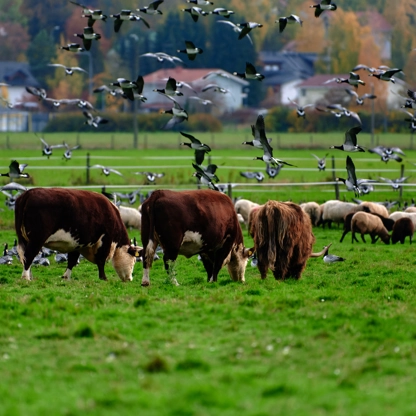
Avian influenza A(H5N1), also known as highly pathogenic avian influenza or bird flu, is a disease caused by infection with avian influenza type A viruses. Bird flu is widespread in wild birds and is causing outbreaks in poultry and other animals and sporadic cases in people. Learn what you need to know about bird flu in the FAQ below.
Highly pathogenic avian influenza A(H5N1), also known as avian influenza or bird flu, has been circulating for decades. It is a disease caused by infection with avian influenza type A viruses. Bird flu primarily affects wild birds. These viruses can also infect other birds — including poultry like chickens and turkeys — as well as mammals including marine mammals (seals and dolphins), wild and domestic cats, and, more recently, dairy cows. Sporadic infections in people have also been reported, usually after exposure to infected poultry or virus-contaminated environments.
The current risk to the general public is low. The current strain of this virus cannot easily attach to cells in people’s upper respiratory tract (the nose and throat). This makes it hard for the virus to spread from person to person. However, flu viruses change over time, so there is always the risk of the virus gaining the ability to spread more easily among people. Researchers and public health agencies are monitoring the situation and preparing in case the risk increases. People who work with or are exposed to possibly infected birds, dairy cattle or other animals are at greater risk and should take precautions to lower their exposure to the bird flu virus. The availability of treatments like antiviral drugs and the capability to develop prevention tools like vaccines, if they become necessary, is reassuring.
In spring 2024, the virus was found in dairy cows in the U.S., and multiple states have reported outbreaks in dairy cows since then. Outbreaks in poultry have also been identified in all 50 states. Some dairy and poultry workers have had a mild illness from this virus. The first human death in the U.S. was reported in Louisiana in January 2025.
So far, there is no evidence of person-to-person spread during this outbreak, and public health officials continue to consider the risk to the general public to be low. People with job-related or recreational exposure to infected birds or other animals, like dairy cows, are at greater risk of infection.
Yes, it is safe to drink pasteurized milk. Milk sold in most grocery stores (with a few exceptions) is pasteurized. Pasteurization kills the bird flu virus and other dangerous microbes by briefly heating milk to high temperatures. No chemicals are added, and no nutrients are removed. Drinking raw (unpasteurized) milk is linked to many preventable foodborne illnesses and is especially unwise during this outbreak of bird flu. Animals, such as cats, who have consumed unpasteurized milk contaminated with the bird virus have become very sick, and some have died.
The primary treatment for avian influenza infection is oseltamivir (Tamiflu), which should ideally be taken as soon as possible after symptom onset. Researchers are studying other treatments and potential therapies.
The U.S. government has a modest stockpile of vaccines that are reasonably well-matched for avian flu for emergencies, but these have not yet been deployed because the current risk to the public is considered low. Scientists also are working on new vaccines. At this time, there is no recommendation for people to be vaccinated against bird flu.
Experts and public health officials are:
- Monitoring outbreaks in animals and studying the virus for genetic changes
- Working closely with partners including experts in animal and occupational health to better understand how this virus can spread and working to prevent exposure and illness
- Looking for any unusual flu activity in people, including with increased testing
- Testing milk, equipment and surfaces for the virus
- Studying the potential for the virus to adapt to spread among people
- Developing potential new vaccines and treatments and funding new trials to study them
- Avoid contact with sick or dead wild birds, poultry and other animals, including dairy cows.
- Wear personal protective equipment and wash your hands frequently if you work with birds, wild animals or livestock.
- Do not touch or consume raw milk or raw milk products or feed them to pets.
- Cook poultry, eggs and beef to the appropriate internal temperatures.
- Get your seasonal flu shot. It won’t prevent bird flu, but it can reduce your risk of getting sick with human and bird flu viruses at the same time.
Scientists are looking into:
- How the outbreak started in cows and how the virus spreads among cows and between farms
- How to control the spread among dairy farms and protect cows
- Why most cases of bird flu in people in the U.S. have been mild so far
- Whether past exposure to related viruses offers some protection against a future infection
Talk to your doctor or visit IDSA’s avian flu webpage to learn more.