

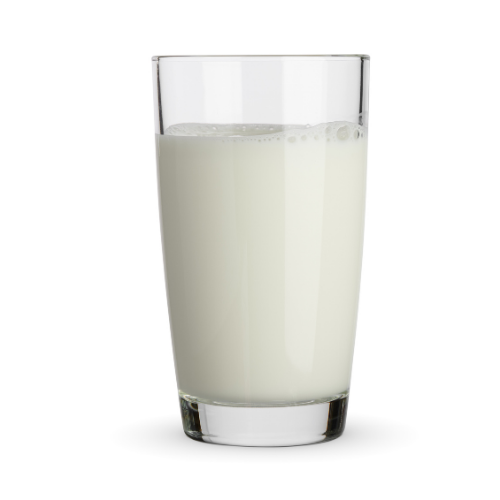
 Raw milk consumption appears to be rising. A June 2026 ProPublica investigation reported that as many as 10 million Americans drink raw milk. Like rejecting vaccines or using ivermectin, consuming unpasteurized dairy has become a symbol of today’s health-freedom movement. It is embraced by natural-health advocates and by people who have lost — or never developed — trust in public health institutions.
That distrust deserves to be acknowledged. Patients may reasonably ask whether public health recommendations are influenced by politics, industry or other interests. When patients raise these concerns, we can take their questions seriously, examine the evidence together and distinguish well-supported findings from claims that remain unproven.
To be clear, pasteurization is a major scientific and public health advance. Heating milk to a specified temperature for a defined period substantially reduces the risk of foodborne illness while preserving the nutritional value of milk. Pasteurization has protected consumers from pathogens including Campylobacter, Salmonella, Escherichia coli O157, Listeria monocytogenes, Yersinia enterocolitica, Brucella and others.
Raw-milk proponents argue that pasteurization removes beneficial components of milk. Some also describe pasteurized milk as an overly processed food and raw milk as a more natural alternative. These arguments can sound plausible, particularly when they are paired with personal testimonials. The question, however, is whether the claimed benefits have been demonstrated and whether they outweigh the risks.
Myth: Raw milk is more nutritious and provides health benefits that are removed by pasteurization.
Fact:
The available evidence does not show that raw milk provides meaningful nutritional or health advantages over pasteurized milk. As summarized in the Food and Drug Administration’s review of raw-milk misconceptions, pasteurization does not meaningfully change the quantity or quality of milk protein or fat. It has little effect on the overall vitamin and mineral content. Milk is not a major source of vitamin C, so the small reduction in vitamin C associated with pasteurization is not nutritionally important.
Raw milk does not cure lactose intolerance. Lactose is present in both raw and pasteurized milk, and pasteurization does not create the inability to digest it. Raw milk also should not be confused with a probiotic food. It may contain bacteria, but the presence of live microorganisms does not make a food beneficial or safe.
Claims that raw milk treats asthma, allergies, gastrointestinal conditions or immune dysfunction have not been established in reliable clinical studies. Personal experience can be meaningful to an individual, but anecdotes cannot determine whether a product prevents disease — especially when the same product can cause severe infection.
Myth: The only reason we are told to drink pasteurized milk is that “big dairy” wants to sell more product.
Fact:
The raw-milk industry is not free from conflicts of interest. Producers, distributors, influencers and advocates may benefit financially from selling raw milk, supplements or related products. Some also have ideological or political convictions that shape how they interpret and portray evidence. These interests do not automatically make their claims false, but they are relevant information for patients evaluating those claims.
Financial incentives can be especially difficult to recognize when marketing is presented as education or personal testimony. A farmer describing a product as “safer,” an influencer promoting raw milk as a treatment, or a public figure repeating those claims may be influencing consumer behavior while also benefiting from sales, visibility or political support. The same standards of transparency should apply to everyone: Who is making the claim? What evidence supports it? Who benefits if people believe it? Have independent investigators reproduced the findings?
Public health agencies and medical organizations also have institutional interests and should be held accountable for transparency. But the recommendation to consume pasteurized milk does not depend on a single agency or a single study. It rests on decades of microbiology, epidemiology, food-safety surveillance and outbreak investigations conducted by independent researchers and public health authorities. The relevant comparison is not between a supposedly biased institution and a supposedly unbiased producer. It is between the totality of evidence and the quality of the claim.
Myth: Raw milk is safe because it contains natural antibacterial compounds and is screened for dangerous bacteria.
Fact:
Milk can become contaminated during collection, handling or storage, and contamination may be intermittent. A negative test result is not proof that a particular batch contains no pathogens. Testing cannot practically identify every organism that could cause illness in every batch.
Milk contains naturally occurring antimicrobial components, but these cannot be relied upon to eliminate dangerous pathogens. As FDA explains, the concentrations and activity of these components are not sufficient to make raw milk safe. Pasteurization remains the only reliable step that can eliminate the vegetative bacterial pathogens of greatest concern.
Raw milk can cause illness even when it looks, smells and tastes normal. From 1998 through 2018, FDA reports that 202 outbreaks linked to raw milk caused 2,645 illnesses and 228 hospitalizations. The true burden is likely higher because many foodborne illnesses are never recognized as part of an outbreak.
Raw-milk products can also remain hazardous after processing. Aging raw-milk cheese may reduce some bacterial risks, but it does not reliably eliminate all pathogens. “Farm fresh,” “organic,” “grass fed” and “tested” are descriptions of production or marketing; they are not synonyms for pathogen-free.
A current concern: Raw milk and H5N1
Raw milk also raises concerns beyond bacterial foodborne illness. During the ongoing spread of highly pathogenic avian influenza A(H5N1) among dairy cattle, contaminated raw milk may contain infectious virus. The Centers for Disease Control and Prevention recommends that people consume only pasteurized milk and dairy products. Pasteurization is an important food-safety intervention for both bacterial and viral hazards.
How should clinicians talk with patients?
Clinicians can acknowledge the appeal of raw milk without endorsing unsupported claims: “I understand why a local, minimally processed product feels attractive. However, contamination can occur even on a careful farm, and there is no reliable way to see or taste dangerous bacteria or viruses.”
The risk is particularly serious for children younger than 5 years old, adults older than 65, pregnant people and those with weakened immune systems. Infection can lead to hospitalization, hemolytic uremic syndrome, Guillain-Barré syndrome, miscarriage, severe neonatal disease or death. Even healthy adults can become severely ill.
The bottom line: Pasteurized milk provides the nutritional benefits of milk without the avoidable infectious risks of raw milk.

